What to pack for Iceland in December
December in Iceland is milder than the latitude suggests and harder than the thermometer says. Reykjavík usually sits a little either side of freezing, but the wind rarely stops, rain turns to sleet and back again within the hour, and the sun is up for about four hours around the solstice.
So the list is built for wet cold, not deep cold. Warmth comes from layers that trap air, the shell keeps out wind and rain, and your boots need grip on ice. And you will be in a geothermal pool at least once, so pack a swimsuit.
Checked
The weather
- Daytime high
- 37°F
- 3°C in Reykjavík. The north is a few degrees colder.
- Overnight low
- 27°F
- −3°C. Wind chill makes it feel much colder.
- Wet days
- ~20
- Some rain, sleet or snow on most days of the month.
- Daylight
- 4–5 h
- Sunrise after 11am and sunset around 3:30pm near the solstice.
The capsule
A week, one traveler, Harbor palette. Every layer goes over every top, and every top goes with every bottom. A capsule is a few clothes in one palette (a base color, a neutral and an accent) that all go together. The full list below adds what sits outside it.
Layers
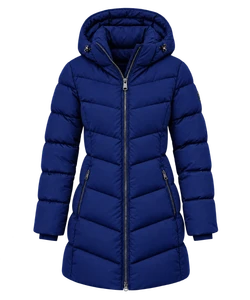 Down parka, hip length
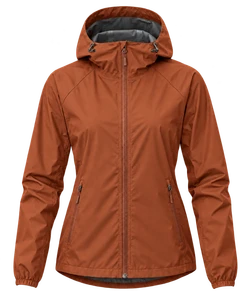 Waterproof shell
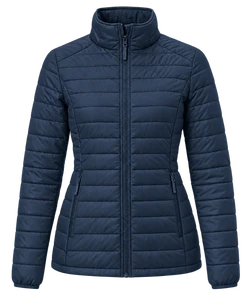 Insulated midlayer
Tops
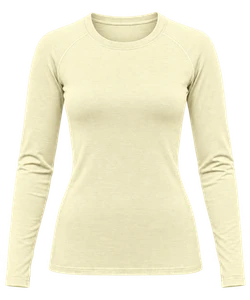 Merino base layer
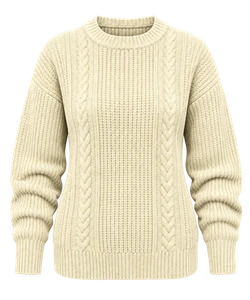 Wool fisherman sweater
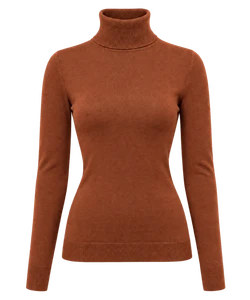 Merino turtleneck
Bottoms
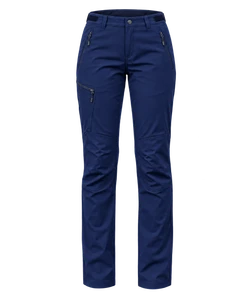 Hiking pants
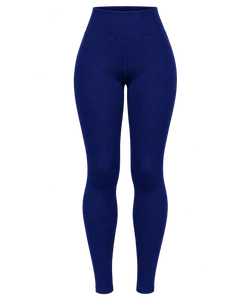 Thermal leggings
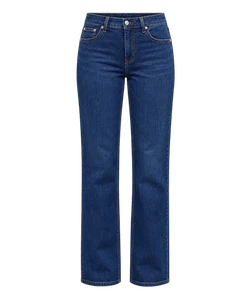 Dark jeans, for town
Shoes
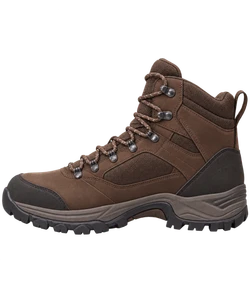 Waterproof hiking boots
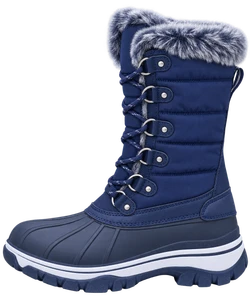 Insulated snow boots
Three days from this capsule
Shown for one traveler. Packlier packs a capsule like this for each person on the trip.
The full list
Clothes
- Down or synthetic parka that covers your hips
- Waterproof, windproof shell jacket
- Rain pants
- Two merino or synthetic base layer tops
- One pair of thermal leggings
- Fleece or insulated midlayer
- Two warm sweaters
- Hiking pants, water-resistant if you have them
- One pair of jeans or pants for restaurants
- Wool hiking socks, one pair a day
- Swimsuit
Shoes
- Waterproof boots with a deep tread, already broken in
- Warm boots or shoes for town, if you have the room
- Flip-flops for the pools
Cold and wet
- Wool beanie that covers your ears
- Insulated waterproof gloves, plus thin liner gloves
- Scarf or neck gaiter
- Slip-on ice cleats for your boots
- Headlamp
- Quick-dry towel
Documents and tech
- Passport
- Driver’s license, if you are renting a car
- Travel insurance details
- Card that works for tap-to-pay (cash is rarely needed)
- Type C/F plug adapter (230V)
- Power bank; phone batteries drain fast in the cold
- Downloaded offline maps
Toiletries
- Rich moisturizer and lip balm
- Sunscreen for the low sun on snow
- Hair conditioner, since geothermal water is hard on hair
- Any prescriptions, in your carry-on
Gear worth the space
A shell with a hood
Your parka keeps you warm, and the shell keeps it dry. Look for a hood that cinches down, because an umbrella will not survive the wind.
Merino base layers
Merino stays warm when damp, dries overnight in a heated room and does not smell after a few days of wear. Two tops and one legging cover a week.
Slip-on ice cleats
Pick the ones with short steel spikes on a rubber harness. They go on over any boot in seconds and fold into a pocket.
A packable daypack
Long drives between sights mean you carry the day with you: a spare layer, a thermos, snacks and a dry pair of gloves.
Insulated bottle or thermos
The tap water is some of the best in the world, and hot coffee at a windy viewpoint is worth the space.
About four hours of sun, and wind that rarely stops. Packlier packs your week for both, inside the bag you own.
Tell it where, when, why, which bag and which palette, and it packs the capsule, checks it against the bag and adds everything that is not clothing. Launching this year on Android, with iOS to follow.
One email at launch, nothing else.