Most overpacking starts with a reasonable idea: one outfit for each day. For a ten-day trip that means ten tops, ten bottoms and a few "just in case" pieces, and the bag is full before you've thought about shoes.
A better approach is to stop packing outfits and start packing pieces that combine. If every top works with every bottom, a dozen pieces can dress you for two weeks without anyone, including you, noticing the repeats. That's a capsule wardrobe, and it comes down to a few rules.
The math that makes it work
Outfits multiply. Pieces only add.
Three tops and three bottoms that all go together make nine outfits, not three. Add two layers, like a cardigan and a jacket, and each of those nine can be worn under either one, which makes eighteen.
| Tops | Bottoms | Layers | Pieces | Outfits |
|---|---|---|---|---|
| 3 | 2 | 1 | 6 | 6 |
| 3 | 3 | 2 | 8 | 18 |
| 4 | 3 | 2 | 9 | 24 |
| 3 | 3 | 3 | 9 | 27 |
The catch is in the first line of the rule: every top has to work with every bottom. One top that only goes with one pair of pants adds one outfit per layer. A top that goes with all three adds three times as many. The pieces that pull their weight are the ones that go with everything else.
Start with the trip, not your closet
Before you pull anything out, write down two things.
The weather you'll actually get. Look up average highs and lows for your dates, not just the forecast for day one. A city that's 75°F at noon can be 55°F by dinner, and that gap decides whether you need a real layer.
What you'll be doing. Count the kinds of days: walking all day, a nice dinner, a hike, a beach afternoon, a meeting. Most trips have two or three kinds. Your capsule needs to cover each kind, not each day.
That short list is your brief. Anything that doesn't serve it stays home.
Pick a palette before you pick pieces
The fastest way to make everything match is to limit the colors before you choose clothes.
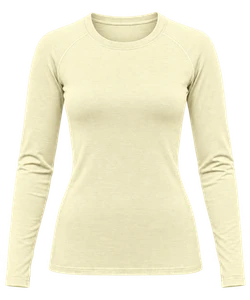
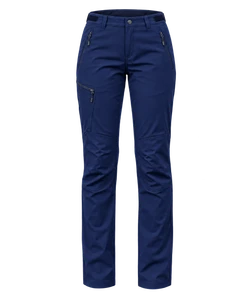
- Two neutrals do most of the work. Navy and ivory, black and gray, olive and tan. Your bottoms, shoes and outer layers come from these.
- One or two accent colors add life. Rust, a soft blue, a deep green. Put them in tops and small things like a scarf, where they're easy to swap.
- Patterns count as a color. A striped top is great if its stripes are in your neutrals. Two patterns in the same capsule are hard to wear together, so pick one.
The simplest version of this rule: keep the bottoms neutral and let the tops carry the color. Almost any top goes with navy pants. Fewer go with rust ones.
Run the every-piece test
Lay out everything you're considering on the bed, tops in one row and bottoms in another. Then, for each top, check it against each bottom.
If a piece only works with one partner, it doesn't make the bag, however much you love it. Swap it for something that works with everything, or leave the slot empty. This one test does more to shrink a suitcase than any packing cube.
Do the same for layers (does the jacket work over every top?) and shoes (do both pairs work with every bottom?).
How many of each
For one to two weeks, with one laundry stop in the middle, this holds up well:
- Tops: 4 to 5. Mix sleeve lengths if the weather swings. A top can usually be worn twice before washing.
- Bottoms: 2 to 3. Pants and skirts can be worn three or four times. One should be dressier than the others.
- Layers: 2. One for warmth (a cardigan or sweater) and one for weather (a rain shell or light trench).
- A dress, optionally. A dress is a whole outfit on its own and works under both layers. It's an easy way to add a dinner look.
- Shoes: 2 pairs, 3 at most. One you can walk in all day, one a bit smarter. Wear the bulkiest pair on the plane.
That's roughly ten to twelve pieces, which fits in a carry-on with room for everything else.
Two weeks doesn't need twice the clothes of one week. It needs one wash. A sink and travel detergent, a hotel laundry bag or a laundromat stop on day six or seven resets the whole capsule.
Choose fabrics that travel
The right fabric lets you rewear more and pack less.
- Merino wool resists odor, so a merino tee can go several days between washes, and it works in warm and cool weather.
- Linen and cotton-linen blends are cool and look fine slightly creased, which is good, because they will be.
- Knits and jersey roll small and come out of the bag without wrinkles.
- Dark denim hides wear and dresses up or down, but it's heavy and slow to dry. Bring one pair at most, and wear it on travel days.
Anything that needs ironing to look right is worth leaving behind.
Let small things do the changing
A capsule can feel repetitive by day nine. The fix is small and light: a scarf, a belt, a necklace, a different pair of earrings. These change how an outfit reads without adding another top. They also take up almost no space, so this is where it pays to have options.
What it looks like for a real trip
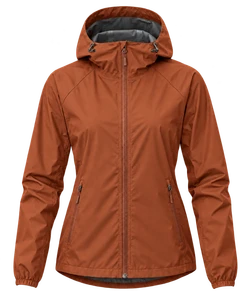
Here's a week in Lisbon in May: two layers, three tops, three bottoms and two pairs of shoes. Every piece goes with every other, which comes to 18 different outfits from ten things in the bag.
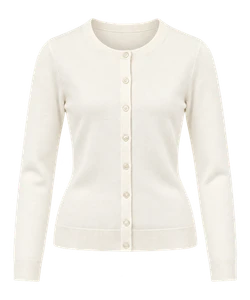
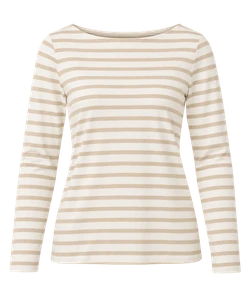
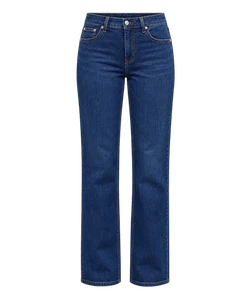
The same rules hold for a colder trip. The pieces get warmer, and a third layer takes it to 27 outfits, but the shape of the capsule doesn't change.
The short version
- Write down the weather and the kinds of days you'll have.
- Choose two neutrals and one or two accents.
- Pack 4 to 5 tops, 2 to 3 bottoms, 2 layers and 2 pairs of shoes.
- Keep only pieces that go with every other piece.
- Plan one wash, and let accessories do the rest.
Packlier does this for you. Tell it where you're going and when, and it builds a capsule from the weather and your plans, where every piece goes with every other, then shows you what to wear each day.