What to pack for a ski trip to Colorado
January is deep winter in the Colorado resorts. The base areas sit around 9,000 feet, afternoons are usually in the 20s, nights drop close to zero, and the lifts climb thousands of feet higher into colder, windier air. The snow is dry and light, and there is a lot of it.
So the list is built on layers: a base layer that moves sweat, a warm midlayer and a waterproof shell and pants on top. The altitude matters too. The air is thin and very dry, the sun is fierce on snow, and people who feel fine at home get headaches on the first day. Pack for your skin and your lungs as well as the cold.
Checked
The weather
- Daytime high
- 28°F
- −2°C at a resort base. The summits are colder.
- Overnight low
- 4°F
- −16°C. Clear nights are the coldest.
- Snowfall
- ~3 ft
- Typical January total at the high resorts.
- Altitude
- 9,000+ ft
- Thin, dry air and strong sun. Take the first day slowly.
The capsule
Five days on the mountain, one traveler, Evergreen palette. Forest green for the slopes, and white and camel for the evenings. A capsule is a few clothes in one palette (a base color, a neutral and an accent) that all go together. The full list below adds what sits outside it.
Mountain
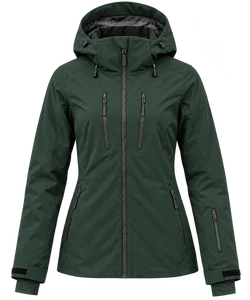 Ski jacket
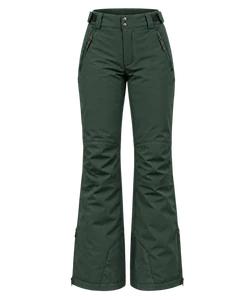 Ski pants
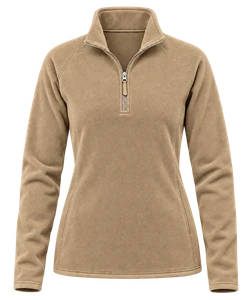 Fleece midlayer
Base
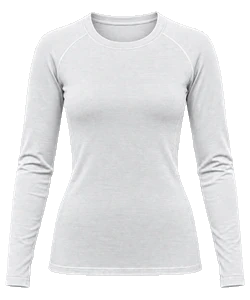 Merino base layer
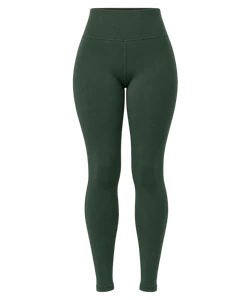 Thermal leggings
Après
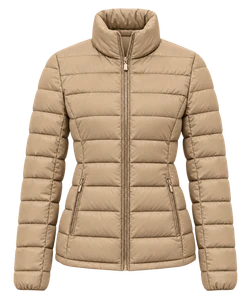 Puffer jacket
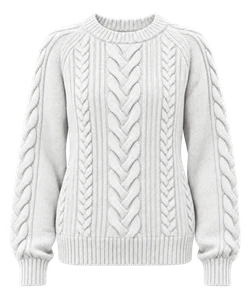 Cable-knit sweater
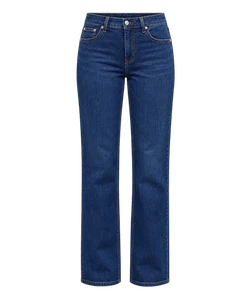 Dark jeans
Shoes
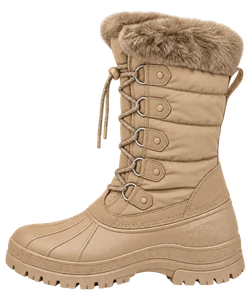 Insulated snow boots
Three days from this capsule
Shown for one traveler. Packlier packs a capsule like this for each person on the trip.
The full list
On the mountain
- Waterproof, breathable ski jacket
- Waterproof ski pants
- Two merino or synthetic base layer tops
- Two pairs of base layer leggings
- Fleece or light insulated midlayer
- Thin ski socks, one pair a day
- Waterproof gloves or mittens, plus liners
- Neck gaiter or balaclava
- Goggles and a helmet, or plan to rent them
Off the mountain
- Warm jacket for town
- A warm sweater or two
- Jeans or warm pants
- Insulated, waterproof snow boots with grip
- Beanie
- Swimsuit for the hot tub
Sun and altitude
- SPF 30+ sunscreen and SPF lip balm
- Sunglasses for off the slopes
- Rich moisturizer
- Refillable water bottle
- Pain reliever for altitude headaches
Documents and tech
- ID or passport
- Lift pass, or the confirmation to collect it
- Rental and lesson reservations
- Travel insurance that covers skiing
- Phone and power bank
- Hand warmers
Gear worth the space
Merino base layers
They keep you warm when you sweat on a run and then sit on a chairlift. Unlike cotton, they do not stay cold and damp.
Goggles with the right lens
A lens for flat light makes the bumps visible on a snowy, cloudy day. On sunny days, a darker lens cuts the glare.
Hand and toe warmers
Air-activated packets last most of a day and cost very little. Keep a few in your jacket for the coldest lifts.
A boot and glove dryer
Damp gloves and boot liners do not dry overnight in a cold room. A small plug-in dryer means warm, dry gear every morning.
A 4°F night at 9,000 feet, then sun fierce on snow. Packlier packs your layers for your dates and your bag.
Tell it where, when, why, which bag and which palette, and it packs the capsule, checks it against the bag and adds everything that is not clothing. Launching this year on Android, with iOS to follow.
One email at launch, nothing else.