Summer trips pack small almost by themselves. A linen shirt folds to nothing. Winter is different: one sweater can take up the space of three tops, a coat fills half a bag, and boots won't fold at all. So most people heading somewhere cold give up and check a suitcase.
You don't have to. A week in a cold city fits in a carry-on, as long as you stop packing for warmth with thick things and start packing for it with thin ones you wear together.
Warmth comes from layers, not bulk
Three thin layers keep you warmer than one thick one. Each traps a little air, and the air is what holds the heat. Thin layers also pack smaller, dry faster, and come off one at a time when you walk into a heated museum or a crowded train.
For a cold trip, think in three layers:
- A base layer against your skin. A merino tee or long-sleeve top, or thermal leggings under your pants. It's light, rolls tiny, and does more for warmth than its size suggests.
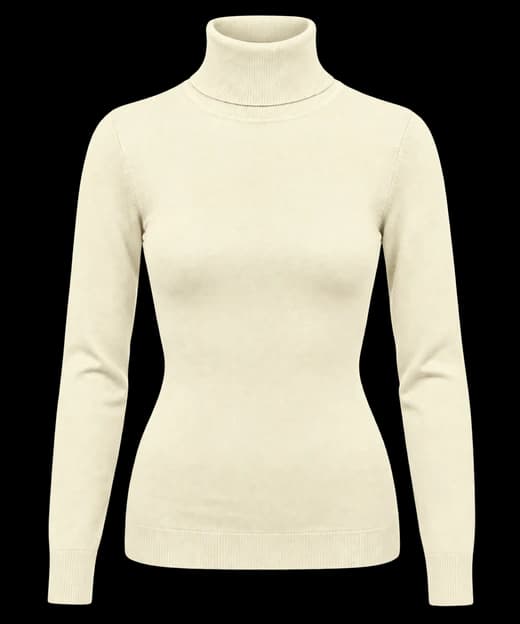
- A middle layer for insulation. A knit sweater, a fleece or a thin quilted jacket. This is the piece people see indoors, so it should look like part of the outfit.
- An outer layer against wind and wet. One coat, which we'll come to.
On a mild day, the base and middle are enough. On a bitter one, you wear all three and add a hat. The same few pieces cover a whole range of weather, which is exactly what a capsule needs.
Bring one coat, and wear it
The coat is the biggest thing you'll take, so choose it first and choose just one.
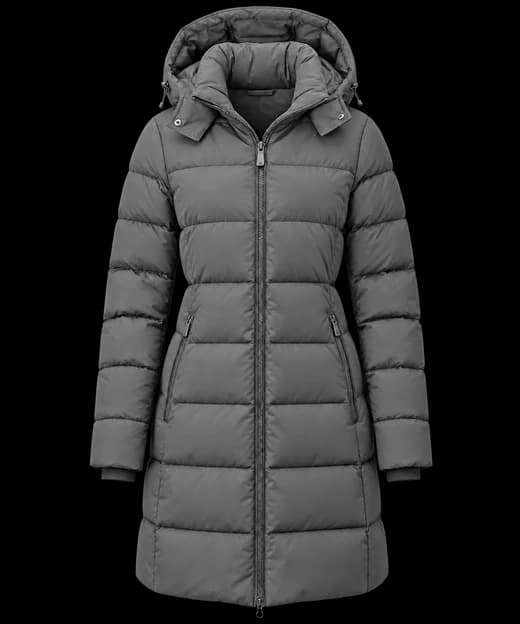
For a city, a wool coat or a long down coat that reaches the hips or lower. It goes over everything, looks right at dinner, and covers the gap at your waist where cold air gets in.
For somewhere wet as well as cold, like London or the Pacific Northwest, a water-resistant coat with a hood matters more than a very warm one. Wet cold feels colder than dry cold, and you can always add a layer underneath.
For real cold, like the Arctic or a ski trip, a proper down parka. Down compresses into a fraction of its size, so it's lighter in a bag than it looks.
Whatever you pick, it doesn't go in the bag. You wear it onto the plane.
Wear the bulkiest things on the way there
A travel day is the best packing trick there is. Everything you wear is space you don't need to pack, so wear the heaviest version of the outfit:
- Your coat, worn or folded on your lap.
- Your boots, never packed.
- Your warmest sweater, and the bulkiest pair of pants.
- Your hat, scarf and gloves, stuffed in your coat pockets.
That alone can take a third off the bag. The plane is warm, so dress in layers you can take off once you're seated.
Keep the colors tight
Winter clothes come in fewer colors, which makes this part easier. Pick one dark neutral for your coat, boots and most of your bottoms, like black, navy, charcoal or chocolate. Add one light neutral, such as ivory, cream or gray, for knits. Then choose one accent, like burgundy, camel or forest green, for a sweater or a scarf.
The rule matters even more in winter, because the coat goes over every outfit. A camel coat looks good over almost anything. A bright red one gets tiring by day four.
How many of each
For a week somewhere cold, with no laundry, this works well:
- Coat: 1, worn on the plane.
- Middle layers: 1 or 2. A cardigan, a light quilted jacket or a fleece, depending on the trip.
- Tops: 3 or 4. Knits and long sleeves. Merino can be worn two or three days before it needs a wash.
- Base layers: 1 or 2 sets for the coldest days, if you'll be outside for long stretches.
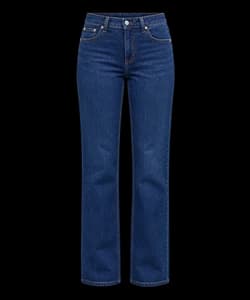
- Bottoms: 2 or 3. Wool or lined pants, dark jeans, maybe a wool skirt with thick tights. Jeans are cold and slow to dry, so they shouldn't be the only option.
- Shoes: 2 pairs. Waterproof boots with a grippy sole, worn on the plane, and one lighter pair for indoors or dry days.
Socks are where winter packing goes wrong. Bring wool socks, one pair for each two days, and a spare. Cold feet ruin a day faster than anything else.
The small things do the most
A hat, a scarf and gloves weigh almost nothing, fold flat and add more warmth than another sweater. Cold ears, a cold neck or cold hands make your whole body feel cold, so covering them makes the whole outfit warmer.
They're also how a winter capsule stays interesting. Your coat is in every photo, but a different scarf changes the look completely. If you're going to bring extras of anything, bring them here.
Fabrics that earn their space
- Merino wool is the best thing you can pack for the cold. It's warm, thin, and resists odor, so you can wear it again and again.
- Cashmere is even warmer for its weight, and a single crewneck dresses up any outfit.
- Down packs small and is the warmest thing for its size, as long as it stays dry.
- Fleece is light and warm and dries fast, but it looks casual, so keep it for outdoor days.
- Cotton is the one to avoid next to your skin. It holds sweat and cold, and takes forever to dry.
What it looks like for a real trip
Here's December in New York: one wool coat, a puffer for the coldest days, a blazer, three tops, three bottoms, Chelsea boots and leather sneakers. Every piece works with every other.
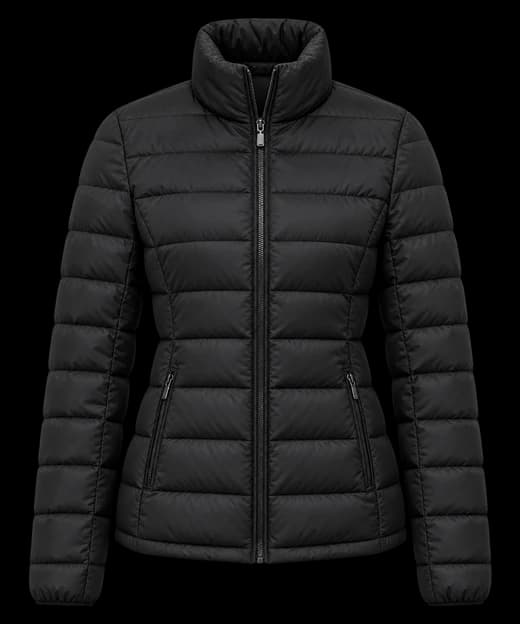
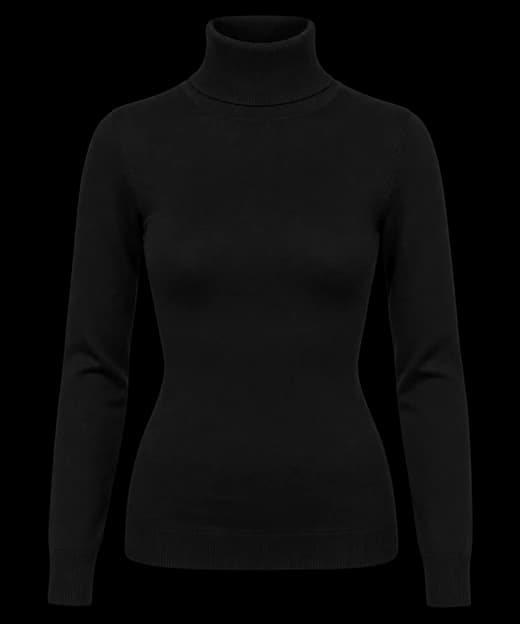
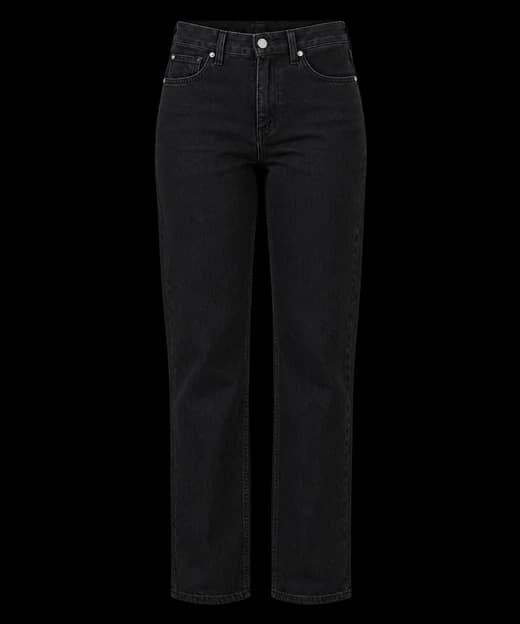
And here's a week of Christmas markets in Germany, where you'll stand still outside for hours. A long down coat and thermal leggings that go under everything do most of the work.
The short version
- Pack thin layers that go together, not thick single pieces.
- Choose one coat for your weather, and wear it on the plane.
- Wear your boots and bulkiest clothes on the way there.
- Keep to one dark neutral, one light neutral and one accent.
- Bring wool socks, a hat, a scarf and gloves, and let them do the work.
Packlier does this for you. Tell it where you're going and when, and it checks the weather for your dates and builds a capsule with the right layers, where every piece goes with every other, sized to the bag you're bringing.